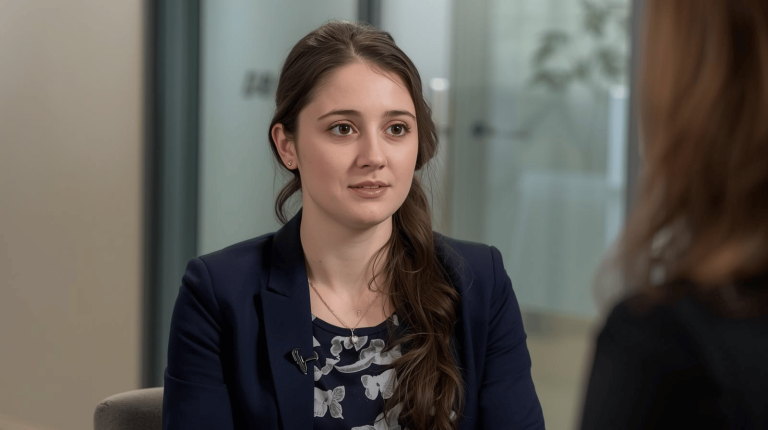
An interview can feel nerve-racking, especially if you really need the job, have not had one for a while, or are trying to rebuild your confidence. The pressure can make it seem like you need to be perfect. You do not. What matters most is showing that you are prepared, interested, honest and able to handle yourself well.
Interviews are not just about employers judging you. They are also your chance to work out whether the role is right for you. The more prepared you are, the more confident and settled you are likely to feel on the day.
Start by understanding the job
Before the interview, read the job advert carefully. Look again at the role, the duties, the skills required and what the employer seems to care about most. Try to get a clear picture of what they actually need.
Ask yourself what parts of your experience, personality or strengths match the role. Even if you have not done that exact job before, you may still have useful experience from school, college, volunteering, previous jobs, caring responsibilities or everyday life.
The goal is not to pretend you are something you are not. It is to recognise what you can genuinely offer.
Research the company
Spend a bit of time learning about the employer. Look at their website, social media, recent news, services and general style. Try to understand what kind of organisation they are, what they do and how they present themselves.
You do not need to memorise the company history like an exam answer, but you should know the basics. If they ask what you know about them, you want to be able to show that you cared enough to look.
This also helps you decide whether the company feels like a good fit for you.
Think about the questions they may ask
Most interviews include some of the same basic themes. You may be asked to talk about yourself, explain why you want the job, describe your strengths, discuss your experience or give examples of how you handled certain situations.
Think in advance about how you might answer questions such as:
Tell me about yourself
Why do you want this role?
Why do you want to work here?
What are your strengths?
What challenges have you faced at work?
How do you deal with pressure?
Can you give an example of teamwork, problem-solving or good customer service?
You do not need to script every sentence, but it helps to think through your answers beforehand so you are not trying to invent them under pressure.
Use examples where you can
A lot of people stay too vague in interviews. They say things like “I am hardworking” or “I am good with people” but do not back it up. It is far stronger if you can give a simple example.
For instance, instead of saying you are reliable, explain how you managed responsibilities in a previous role. Instead of saying you work well in a team, mention a time when you helped others, solved a problem or supported a busy workload.
Examples help bring your answers to life. They make you sound more believable and more memorable.
Practise saying your answers out loud
Thinking something in your head is one thing. Saying it out loud is another. If possible, practise answering a few common questions before the interview. You can do this alone, in front of a mirror, by recording yourself, or with somebody you trust.
You do not need to sound polished or robotic. In fact, sounding too rehearsed can come across oddly. The aim is simply to get more comfortable putting your thoughts into words.
The more familiar it feels, the less likely you are to freeze.
Plan what you are going to wear
You do not always need to dress formally, but you should look neat, clean and suitable for the role. Think about the workplace and aim for something that shows effort and respect.
For some jobs that may mean smart clothes. For others, a simple tidy outfit is enough. The key thing is not to look careless.
Try your outfit on beforehand if you can. Make sure you feel comfortable in it. If you are distracted by shoes that hurt, a shirt that does not fit properly or something that makes you feel unlike yourself, it can knock your confidence.
Know where you are going and how you will get there
If the interview is in person, plan your journey in advance. Check the address, transport, parking and how long it is likely to take. Give yourself more time than you think you need. Rushing in late and flustered is not a good start if it can be avoided.
If the interview is online, check your device, internet connection, camera and microphone beforehand. Make sure you know which app or platform is being used. Try to sit somewhere quiet with a tidy background and as few interruptions as possible.
Little practical checks can remove a lot of stress.
Have your documents ready
Bring anything you may need, such as your CV, identification, notes, examples of work, or details from the job advert. Even if they already have your CV, having a copy with you can be helpful.
For online interviews, keep your CV and some notes nearby, but avoid reading from a script. You want to sound natural and engaged, not like you are performing from a page.
Prepare a few questions of your own
At the end of an interview, you are often asked if you have any questions. It is a good idea to have a few ready. It shows interest and helps you learn more about the role.
You could ask about:
what a typical day looks like
what training is provided
what the team is like
what the next steps are
what success in the role would look like
Try to avoid asking something that is already obvious from the advert or website unless you are asking for clarification.
Do not be afraid of nerves
Most people get nervous before an interview. That does not mean you are weak or unprepared. It means the interview matters to you.
The key is not to panic about being nervous. Employers are used to it. In many cases, a few nerves are completely normal. Take your time, breathe, listen carefully and do not be afraid to pause for a moment before answering.
You do not have to be dazzling. You just have to communicate clearly and come across as genuine.
Be honest
Do not invent experience you do not have. Do not pretend to know things you do not know. A good employer will value honesty far more than bluffing.
You can still show willingness and potential. There is nothing wrong with saying, “I have not done that exact task before, but I learn quickly,” or “That is an area I would be keen to develop.”
Confidence is not about pretending to be perfect. It is about being steady, truthful and open to learning.
Watch the basics
Small things matter more than people sometimes realise. Turn up on time. Greet people politely. Listen properly. Avoid interrupting. Speak clearly. Try not to ramble too much. Show interest in the conversation.
These things sound basic, but they help create a strong impression. Employers are often looking at how you present yourself as much as what is on your CV.
After the interview
When the interview is over, take a moment to reflect. Think about what went well, what you found difficult and what you might do differently next time. Even if you do not get the job, the interview may still have been useful practice.
One interview does not define your worth. Sometimes good candidates are rejected for reasons that have little to do with talent. Keep going.
Preparing for an interview is not about turning yourself into a different person. It is about showing the best, clearest version of who you already are. A bit of planning can make a big difference. The more you understand the job, the employer and your own strengths, the more grounded you are likely to feel.
You do not need to walk in as the boldest person in the room. You just need to walk in ready.